

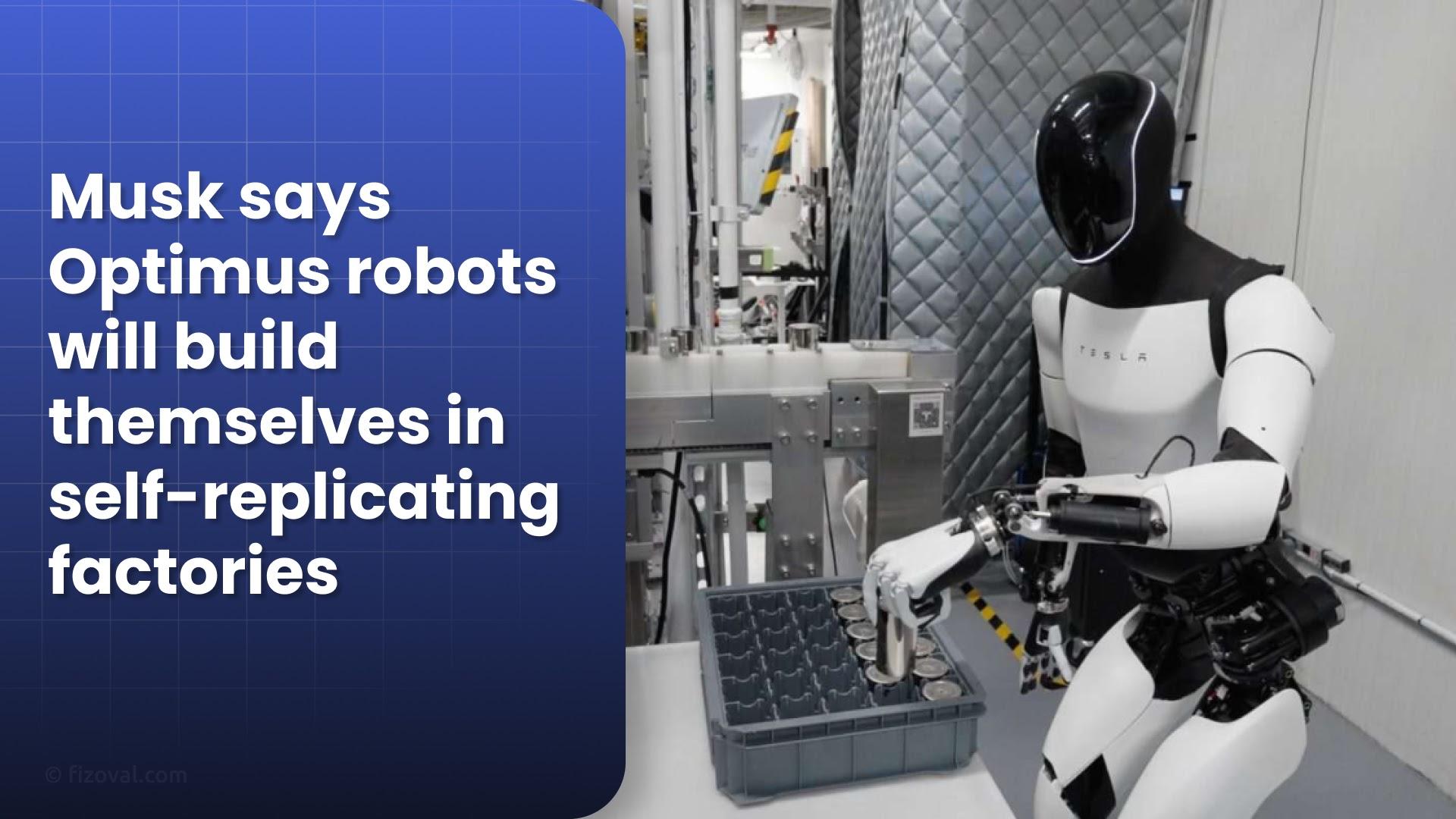
"Elon Musk’s Optimus humanoid robot could make traditional jobs optional and spark a 100x economic boom through self-replicating robot factories."
What is Tesla Optimus and why is everyone talking about it?
Elon Musk believes the future of the global economy will be shaped not by humans, but by robots. And leading that future is Tesla Optimus, a humanoid robot designed to take over repetitive and physical tasks across all industries. What sets Optimus apart is Tesla's ultimate goal: robots building more robots, removing human involvement from the production line.
Musk predicts that Optimus could become Tesla's most produced and most profitable product ever. The company plans to integrate thousands of these robots into Tesla factories first, using real-world manufacturing experience to improve each new version.
How fast will Tesla scale Optimus production?
The roadmap Tesla has outlined is ambitious and unlike anything seen in robotics before. Here are the scaling plans Musk has shared:
| Location | Production Target |
|---|---|
| Fremont Factory | 1 million units per year |
| Giga Texas | 10 million units per year |
| Future expansion | Billions of units globally and beyond |
The stretch goal even includes long-term manufacturing on Mars. The concept driving this scale is called a Von Neumann probe – a self-replicating machine. In Tesla’s case, it means Optimus robots building other Optimus robots.
Will Optimus make traditional work optional?
Musk predicts a future where everyday tasks and labor are handled by robots, creating a society in which humans work only if they want to – not because they need to. He refers to this as a world where we "work like hobbies" and live in abundance without scarcity.
In a robot-driven economy, Musk expects the concept of money to lose importance because goods and services will become extremely cheap. While the transition won’t be smooth for everyone, the long-term vision is a society with more freedom and fewer limitations.
How big could the economic impact be?
The impact could be larger than the industrial revolution and the invention of electricity. Analysts suggest that Optimus could raise global productivity and reduce operational costs across industries such as manufacturing, healthcare, logistics, hospitality, and more.
- Companies using robotics early will gain massive competitive advantage
- Workforces will shift toward creative and strategic roles
- Countries slow to adopt AI and robotics may face unemployment challenges
With a projected price of $20,000 per unit, Tesla wants to make humanoid robots affordable for businesses and eventually individual households.
Inside Tesla’s rollout timeline for Optimus
Tesla plans to slowly introduce Optimus into its own production lines first, learning from real factory environments.
- 2025: Thousands of Optimus robots inside Tesla factories
- Mid-2025: Production Version 2 with target of 10,000 robots per month
- Later phases: 100,000 robots per month and beyond
Each version will increase speed, accuracy, and autonomy, reducing the need for human oversight.
Frequently Asked Questions
1. Will Optimus replace human jobs?
Optimus will take over repetitive and physical labor. New jobs will emerge in robot management, AI oversight, creative fields, and strategic roles.
2. How much will Optimus cost?
Tesla estimates around $20,000 per unit once mass production begins, but early phases may cost more.
3. When will Optimus be available to the public?
Tesla plans to deploy Optimus in factories first. Consumer availability may arrive later in the decade depending on safety, cost, and scaling success.


